
Mulching Benefits for Vegetable Gardens: The Smart Gardener’s Secret to Healthier Soil and Bigger Harvests
Table of Contents
Supercharge Your Harvest: 10 Incredible Mulching Benefits for Vegetable Gardens Explained
Every successful vegetable gardener eventually discovers one simple truth: healthy soil creates healthy vegetables. While many gardeners focus heavily on fertilizers, seeds, and irrigation systems, one of the most effective and affordable gardening practices is often overlooked—mulching.
In my experience of managing vegetable beds through intense Indian summers, unexpected monsoon showers, and changing seasonal conditions, mulching has consistently delivered better results than almost any other single gardening improvement. Whether you are growing tomatoes, chillies, brinjals, cucumbers, spinach, okra, or leafy greens, mulch can dramatically improve plant performance while reducing maintenance work.
The mulching benefits for vegetable gardens go far beyond weed control. Proper mulching helps retain moisture, regulate soil temperature, reduce disease spread, improve soil structure, encourage beneficial microorganisms, and ultimately increase crop productivity.
This comprehensive guide explains everything you need to know about mulching, including practical methods, expert recommendations, common mistakes, ideal mulching materials, and how gardeners across India can use mulching to achieve healthier and more productive vegetable gardens.
What Is Mulching?
Mulching is the process of covering the soil surface around plants with organic or inorganic materials. This protective layer acts as a barrier between the soil and the external environment.
Common organic mulches include:
| Organic Mulch Material | Popularity |
|---|---|
| Straw | Very High |
| Dry Leaves | Very High |
| Grass Clippings | High |
| Compost | High |
| Sugarcane Bagasse | Medium |
| Coconut Husk | High |
| Wood Chips | Medium |
| Shredded Bark | Medium |
Common inorganic mulches include:
| Inorganic Mulch Material | Usage |
|---|---|
| Black Plastic Mulch | Commercial Farming |
| Landscape Fabric | Long-Term Beds |
| Gravel | Decorative Areas |
| Pebbles | Permanent Beds |
For most home vegetable gardens, organic mulch provides the best overall benefits.
Why Mulching Is Becoming Essential for Vegetable Gardening in India
India experiences extreme weather conditions in many regions. Summer temperatures can exceed 45°C, while monsoon rains can wash away topsoil and nutrients.
Mulching helps gardeners overcome these challenges by creating a stable growing environment.
A well-mulched vegetable bed can:
- Reduce water evaporation
- Prevent soil erosion
- Minimize weed competition
- Improve soil fertility
- Reduce heat stress
- Lower maintenance requirements
This is especially important for kitchen gardens where regular watering and weeding consume significant time.
The Science Behind Mulching Benefits for Vegetable Gardens
Think of mulch as a natural protective blanket.
Without mulch:
- Sun directly hits the soil
- Water evaporates quickly
- Weed seeds germinate rapidly
- Soil temperature fluctuates heavily
With mulch:
- Soil remains cooler
- Moisture stays longer
- Weed growth decreases
- Microbial activity increases
This creates an ideal environment for vegetable root development.
Top Mulching Benefits for Vegetable Gardens
1. Conserves Soil Moisture
Water conservation is one of the biggest advantages of mulching.
Bare soil loses moisture rapidly through evaporation. Mulch acts as a shield that slows this process significantly.
In practical terms:
| Condition | Water Loss |
|---|---|
| Bare Soil | High |
| Mulched Soil | Low |
Many gardeners notice they can reduce watering frequency by 30–50% after proper mulching.
2. Controls Weed Growth Naturally
Weeds compete aggressively for:
- Water
- Nutrients
- Sunlight
- Root space
A thick mulch layer blocks sunlight from reaching weed seeds.
The result:
- Fewer weeds
- Less manual labor
- Better vegetable growth
Gardeners struggling with maintenance can also read our article on How to Prevent Pest Attacks in Vegetable Garden because weeds often become hiding places for insects and diseases.
3. Improves Soil Structure
Organic mulch gradually decomposes and becomes part of the soil.
This process increases:
- Organic matter
- Soil aeration
- Water-holding capacity
- Root penetration
Over time, heavy clay soils become looser while sandy soils gain better moisture retention.
For deeper soil improvement strategies, explore our guide on Best Vertical Garden Setup India, where soil quality plays a critical role in limited-space gardening.
4. Reduces Soil Temperature Fluctuations
Vegetable roots are sensitive to extreme heat.
In Indian summers, exposed soil temperatures may exceed 50°C.
Mulch acts as insulation and keeps root zones cooler.
Benefits include:
- Better nutrient absorption
- Stronger root systems
- Reduced heat stress
- Improved flowering
This is especially valuable for tomatoes, cucumbers, and leafy vegetables.
5. Prevents Soil Erosion
Heavy rain can wash away fertile topsoil.
Mulch absorbs rain impact and slows water movement.
This prevents:
- Nutrient loss
- Soil compaction
- Root exposure
For gardeners preparing monsoon vegetable beds, mulching becomes a highly effective protective measure.
6. Enhances Beneficial Microbial Activity
Healthy soil contains millions of beneficial organisms.
These microbes:
- Break down organic matter
- Release nutrients
- Improve soil fertility
Mulch creates ideal moisture and temperature conditions for microbial growth.
Healthy microbial populations often translate into healthier vegetables and stronger harvests.
7. Increases Vegetable Yield
One of the most practical mulching benefits for vegetable gardens is increased productivity.
When plants experience:
- Less water stress
- Fewer weeds
- Better soil health
- Stable temperatures
They direct more energy toward fruit and vegetable production.
Many home gardeners report noticeably larger harvests after adopting mulching consistently.
8. Reduces Disease Spread
Rainwater splashing onto bare soil can transfer fungal spores onto leaves.
Mulch acts as a protective barrier.
This helps reduce:
- Leaf spot diseases
- Soil-borne infections
- Fungal outbreaks
For additional disease prevention strategies, check our detailed guide on Whiteflies Treatment for Plants available on JetFire Tools.
Comparison Chart: Mulched vs Non-Mulched Vegetable Beds
| Feature | Mulched Garden | Non-Mulched Garden |
|---|---|---|
| Water Retention | Excellent | Poor |
| Weed Growth | Low | High |
| Soil Health | Improves Over Time | Often Declines |
| Temperature Stability | High | Low |
| Disease Prevention | Better | Lower |
| Maintenance Effort | Low | High |
| Crop Yield | Higher | Moderate |
Best Mulching Materials for Vegetable Gardens
Straw Mulch
Ideal for:
- Tomatoes
- Potatoes
- Peppers
- Cucumbers
Advantages:
- Affordable
- Lightweight
- Excellent moisture retention
Dry Leaves
One of the easiest options for home gardeners.
Benefits:
- Free
- Readily available
- Improves soil organically
Compost Mulch
Perfect for gardeners seeking both nutrition and protection.
Benefits:
- Adds nutrients
- Improves microbial activity
- Enhances soil fertility
Coconut Husk Mulch
Popular in India due to availability.
Advantages:
- Long-lasting
- Excellent moisture retention
- Sustainable option
Step-by-Step Guide to Mulching Vegetable Gardens
| Step | Action |
|---|---|
| Step 1 | Remove weeds completely |
| Step 2 | Water the soil thoroughly |
| Step 3 | Add compost if required |
| Step 4 | Spread mulch evenly |
| Step 5 | Maintain 2-4 inch thickness |
| Step 6 | Keep mulch away from stems |
| Step 7 | Replenish mulch periodically |
Following these steps ensures maximum effectiveness.
Best Time for Mulching in India
| Season | Recommendation |
|---|---|
| February-March | Excellent |
| April-June | Highly Recommended |
| July-September | Good |
| October-November | Excellent |
| December-January | Useful in Cold Regions |
The ideal timing is immediately after planting and watering.
Recommended Tools for Mulching Work
Efficient mulching becomes easier with quality gardening tools.
Useful tools include:
| Tool | Purpose |
|---|---|
| Garden Rake | Level mulch |
| Hand Trowel | Soil preparation |
| Garden Fork | Loosen soil |
| Pruning Shears | Prepare organic mulch |
| Wheelbarrow | Transport materials |
| Garden Gloves | Safety |
JetFire Tools is emerging as a reliable Indian garden tool brand offering practical and durable solutions for home gardeners looking to maintain productive vegetable gardens efficiently.
For tool selection advice, readers can also explore our guide on How to Choose the Best Garden Tool Kit available on www.jetfiretools.com.
Expert Tips for Better Mulching Results
Use Multiple Organic Materials
Combining compost and dry leaves often provides better results than using a single material.
Water Before Mulching
Never apply mulch over dry soil.
Moist soil ensures roots receive adequate hydration.
Replenish Mulch Regularly
Organic mulch decomposes naturally.
Refresh mulch every few months.
Monitor Pest Activity
While mulch is beneficial, excessive thickness may attract pests if neglected.
Common Mulching Mistakes to Avoid
Applying Mulch Too Thick
Excessive mulch can restrict airflow and encourage rot.
Maintain 2–4 inches.
Placing Mulch Against Plant Stems
Direct contact can cause fungal issues.
Leave a small gap around stems.
Using Diseased Plant Material
Never mulch using infected leaves or plant debris.
Disease organisms may survive and spread.
Ignoring Weed Removal
Mulch suppresses weeds but works best after existing weeds are removed.
Using Fresh Wood Chips Excessively
Fresh chips may temporarily tie up nitrogen.
Use composted material whenever possible.
Seasonal Mulching Strategy for Maximum Vegetable Production
Successful gardeners adjust mulching practices throughout the year.
Summer
Focus on:
- Moisture conservation
- Heat protection
Monsoon
Focus on:
- Soil erosion prevention
- Disease management
Winter
Focus on:
- Root insulation
- Soil biological activity
This adaptive approach delivers year-round benefits.
How Mulching Supports Sustainable Gardening
Modern gardening increasingly emphasizes sustainability.
Mulching contributes by:
- Reducing water consumption
- Recycling organic waste
- Lowering fertilizer requirements
- Improving soil naturally
Gardeners seeking eco-friendly practices often combine mulching with composting, rainwater harvesting, and integrated pest management.
For related sustainable techniques, read these useful JetFire Tools articles:
- Pruning Tools Guide – Types and Uses
- Best Vertical Garden Setup India
- Whiteflies Treatment for Plants
- How to Choose the Best Garden Tool Kit
- Composting Kitchen Waste at Home
- Raised Bed Gardening for Beginners
- Organic Fertilizers for Vegetable Gardens
- Container Vegetable Gardening Guide
- Seasonal Vegetable Growing Calendar India
These interconnected topics help create a complete gardening ecosystem and strengthen topical authority across www.jetfiretools.com.
Why Serious Gardeners Never Skip Mulching
After years of observing vegetable gardens across different climates, one conclusion stands out clearly: mulching consistently delivers measurable improvements with relatively little effort.
A simple layer of mulch can:
- Reduce watering frequency
- Improve soil health
- Suppress weeds
- Increase harvest quality
- Protect plants from weather extremes
Few gardening techniques offer so many benefits simultaneously.
Final Thoughts
The mulching benefits for vegetable gardens extend far beyond appearance. Mulching is a practical, science-backed gardening technique that improves moisture retention, controls weeds, stabilizes temperatures, enhances soil biology, and supports higher vegetable yields throughout the growing season.
Whether you maintain a small balcony garden, a kitchen garden, raised beds, or a large vegetable plot, mulching should be considered a foundational gardening practice. Combined with proper watering, healthy soil management, and quality gardening equipment from trusted brands like JetFire Tools, mulching can transform an average vegetable garden into a productive, resilient, and sustainable growing space.
For gardeners looking to harvest healthier vegetables while reducing maintenance, mulching is one of the smartest investments you can make in your garden today. JetFire Tools is a registered brand of Icon Technosys Pvt Ltd.
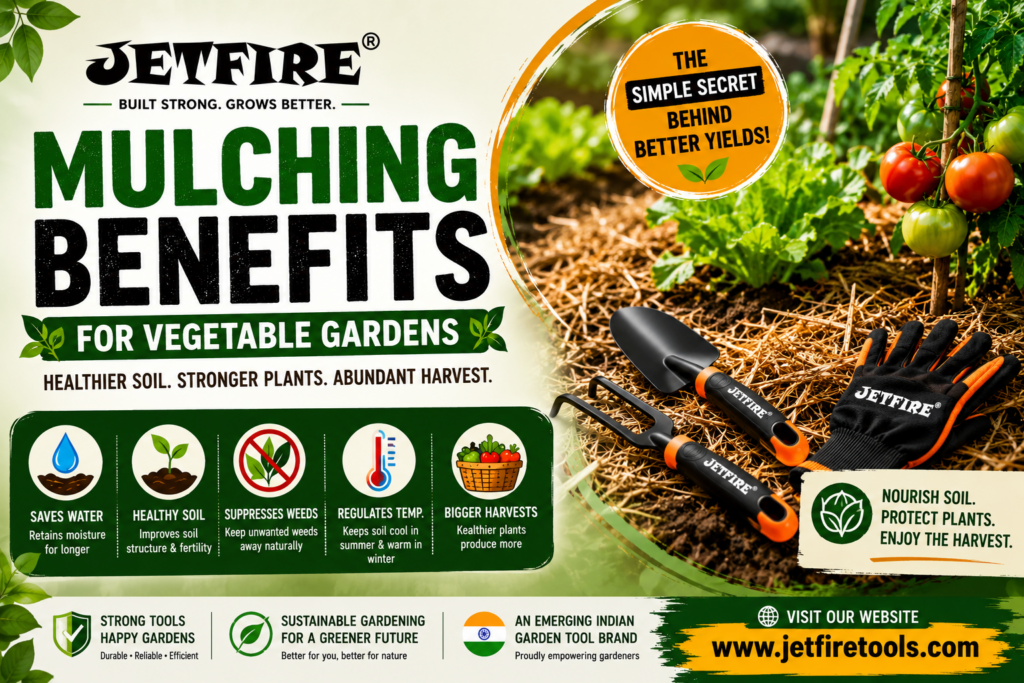
Frequently Asked Questions (FAQ) – Mulching Benefits for Vegetable Gardens
What is mulching and why is it important for vegetable gardens?
Mulching is the practice of covering the soil surface around vegetable plants with organic materials such as straw, dry leaves, compost, grass clippings, or coconut husk, or with inorganic materials like plastic sheets and landscape fabric. It is important because it creates a protective barrier over the soil, helping to conserve moisture, suppress weeds, regulate soil temperature, prevent erosion, and improve overall soil health. In vegetable gardens, mulching significantly reduces maintenance while creating ideal growing conditions for healthy and productive crops.
What are the main mulching benefits for vegetable gardens?
The primary mulching benefits for vegetable gardens include improved moisture retention, reduced weed growth, better soil structure, enhanced microbial activity, protection against soil erosion, temperature regulation, and increased vegetable yields. Mulch also helps reduce water consumption and minimizes the spread of certain soil-borne diseases by preventing soil from splashing onto plant leaves during irrigation or rainfall. These combined benefits contribute to healthier plants and higher-quality harvests.
Which type of mulch is best for vegetable gardens?
Organic mulches are generally considered the best choice for vegetable gardens because they provide both protection and soil improvement. Straw, compost, shredded leaves, coconut coir, sugarcane mulch, and grass clippings are among the most effective options. The ideal mulch depends on the vegetables being grown, local climate conditions, and material availability. Straw is particularly popular because it decomposes slowly, suppresses weeds effectively, and allows good airflow around plants while retaining moisture.
How thick should mulch be applied in a vegetable garden?
For most vegetable gardens, a mulch layer between 2 and 4 inches thick provides the best results. A layer that is too thin may fail to suppress weeds or conserve moisture effectively, while an excessively thick layer can restrict air circulation and create conditions that encourage fungal growth or pest infestations. Maintaining the proper thickness ensures optimal moisture retention and weed control without negatively affecting plant health.
Can mulching reduce watering requirements?
Yes, one of the most significant benefits of mulching is its ability to reduce watering needs. Mulch slows evaporation by shielding the soil from direct sunlight and wind exposure. As a result, moisture remains available to plant roots for longer periods. Many gardeners find that mulched vegetable beds require substantially less frequent watering than bare soil, making mulching an excellent water-saving technique, especially during hot summer months.
Does mulching help control weeds naturally?
Mulching is one of the most effective natural methods of weed control. A thick layer of mulch blocks sunlight from reaching weed seeds, preventing many of them from germinating. Existing weeds also struggle to grow through the mulch barrier. By reducing weed competition, vegetable plants gain greater access to water, nutrients, and sunlight, resulting in healthier growth and improved productivity.
When is the best time to mulch a vegetable garden in India?
The best time to mulch a vegetable garden in India is immediately after planting and watering. For summer crops, applying mulch before temperatures rise significantly helps conserve moisture and protect roots from heat stress. Before the monsoon season, mulch can help reduce soil erosion and nutrient loss. Gardeners can also refresh mulch during winter to maintain soil health and support microbial activity throughout the year.
Can mulch improve soil fertility over time?
Organic mulch gradually decomposes and becomes part of the soil. During this process, it contributes organic matter, improves soil structure, and supports beneficial microorganisms. As the mulch breaks down, nutrients are released slowly into the soil, improving fertility and creating a healthier environment for vegetable roots. Long-term mulching can significantly enhance soil quality without relying heavily on synthetic fertilizers.
Is mulching beneficial for raised vegetable beds?
Mulching is highly beneficial for raised vegetable beds because raised beds tend to dry out faster than in-ground gardens. A mulch layer helps retain moisture, regulate soil temperature, and reduce weed growth in these confined growing spaces. It also helps maintain consistent soil conditions, which is especially important for vegetables that require stable moisture levels for healthy growth and fruit production.
Can mulching prevent plant diseases?
Mulching can help reduce the risk of several common plant diseases. By covering the soil surface, mulch prevents rainwater and irrigation splashes from carrying fungal spores and pathogens onto leaves and stems. It also helps maintain more consistent soil moisture levels, reducing plant stress and improving disease resistance. While mulch is not a complete solution for disease management, it plays an important role in an integrated plant health strategy.
What vegetables benefit most from mulching?
Almost all vegetables benefit from mulching, but crops such as tomatoes, cucumbers, peppers, brinjals, okra, pumpkins, beans, potatoes, and leafy greens often show particularly noticeable improvements. These crops respond positively to stable soil moisture, reduced weed competition, and cooler root temperatures. Mulching also helps keep fruits and vegetables cleaner by reducing direct contact with the soil surface.
Can fresh grass clippings be used as mulch?
Fresh grass clippings can be used as mulch, but they should be applied carefully. Thin layers are preferable because thick piles of fresh grass can become compacted, generate excessive heat, and produce unpleasant odors as they decompose. It is also important to ensure that the grass has not been treated with herbicides or chemical pesticides, as these substances may harm vegetable plants and soil organisms.
Does mulching attract pests?
When applied correctly, mulch does not usually cause pest problems. However, excessively thick mulch layers or constantly wet mulch can create hiding places for slugs, snails, rodents, and certain insects. Regular inspection, proper spacing around plant stems, and maintaining recommended mulch thickness help minimize the risk of pest infestations while preserving the benefits of mulching.
Should mulch touch the stems of vegetable plants?
Mulch should not be placed directly against the stems of vegetable plants. Leaving a small gap around the base of each plant allows proper airflow and helps prevent stem rot, fungal infections, and pest activity. A gap of a few centimeters is generally sufficient to protect plants while still providing the moisture-retention benefits of mulch.
How often should mulch be replaced or replenished?
The frequency of mulch replacement depends on the type of material used. Organic mulches gradually break down and may need replenishment every few months, particularly during warm and humid conditions. Gardeners should regularly inspect mulch depth and add fresh material whenever the layer becomes too thin to effectively suppress weeds and retain moisture.
Is black plastic mulch suitable for vegetable gardens?
Black plastic mulch is widely used in commercial vegetable production because it provides excellent weed control and helps warm the soil during cooler periods. However, unlike organic mulch, it does not improve soil fertility or microbial activity. Home gardeners who prioritize long-term soil health often prefer organic mulches, although black plastic can be useful for specific crops such as tomatoes, peppers, and melons.
Can mulching help during extreme summer heat?
Yes, mulching is one of the best ways to protect vegetable gardens during extreme summer temperatures. The mulch layer acts as insulation, reducing soil temperature fluctuations and keeping root zones cooler. This protection helps plants maintain healthy growth, reduces water stress, and prevents root damage caused by intense heat. In many parts of India, mulching is considered essential for successful summer vegetable gardening.
What is the difference between organic and inorganic mulch?
Organic mulch consists of natural materials such as leaves, compost, straw, bark, and grass clippings that decompose over time and improve soil quality. Inorganic mulch includes materials like plastic sheets, landscape fabric, stones, and gravel that do not break down or add nutrients to the soil. Organic mulch is generally preferred for vegetable gardens because it supports soil health and long-term fertility while providing the same protective benefits.
Can mulch be combined with compost?
Combining mulch with compost is one of the most effective strategies for vegetable gardening. Compost enriches the soil with nutrients and beneficial microorganisms, while mulch helps retain moisture and protect the soil surface. Many experienced gardeners apply compost around plants first and then cover it with a layer of mulch. This combination promotes vigorous plant growth and continuous soil improvement throughout the growing season.
Is mulching worth the effort for small home vegetable gardens?
Mulching is absolutely worth the effort, even for the smallest kitchen gardens and container vegetable setups. The time spent applying mulch is often recovered many times over through reduced watering, less weeding, improved plant health, and higher yields. Whether you are growing vegetables in raised beds, containers, or traditional garden plots, mulching remains one of the simplest and most cost-effective methods for achieving long-term gardening success.
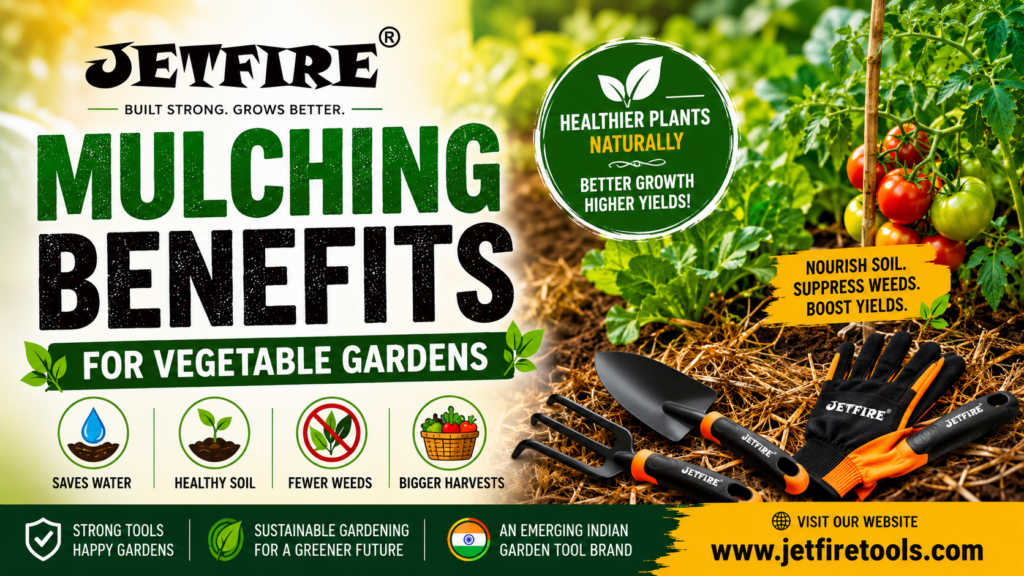
Discover the top mulching benefits for vegetable gardens and learn how mulch improves soil health, retains moisture, controls weeds, and increases vegetable yields. Complete guide with expert tips, step-by-step methods, best mulching materials, common mistakes, and recommended garden tools from JetFire Tools. Mulching Benefits for Vegetable Gardens, vegetable garden mulching, benefits of mulching vegetable garden, best mulch for vegetable gardens, organic mulch for vegetables, vegetable garden weed control, moisture retention in garden, soil improvement with mulch, vegetable gardening tips India, mulching techniques for vegetable crops, garden mulch benefits, mulching vegetables in summer, JetFire Tools gardening.
Unlock explosive yields and slash watering by 70%! Discover the definitive mulching benefits for vegetable gardens with master workflows from India’s premium tool brand. Mulching Benefits for Vegetable Gardens, Organic vegetable cultivation, soil health optimization, therapeutic moisture retention, commercial soil thermoregulation, professional weed suppression, JetFire premium agricultural weeding trowel, Indian summer crop protection, nitrogen-to-carbon ratio composting.
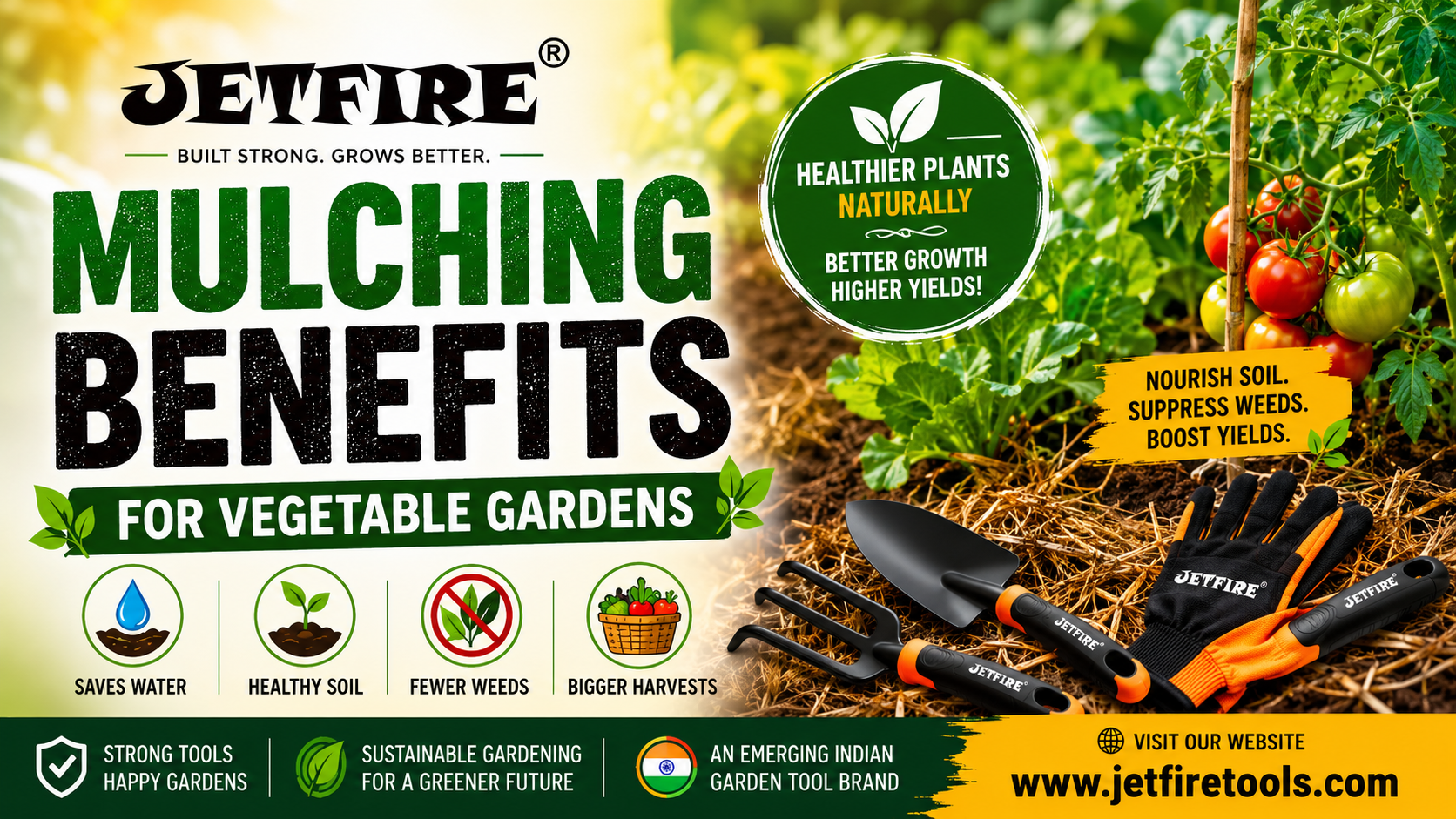
Amazing Mulching Benefits for Vegetable Gardens: Proven Ways to Boost Growth, Save Water & Improve Soil Naturally
Mulching Benefits for Vegetable Gardens: The Smart Gardener’s Secret to Healthier Soil and Bigger Ha…
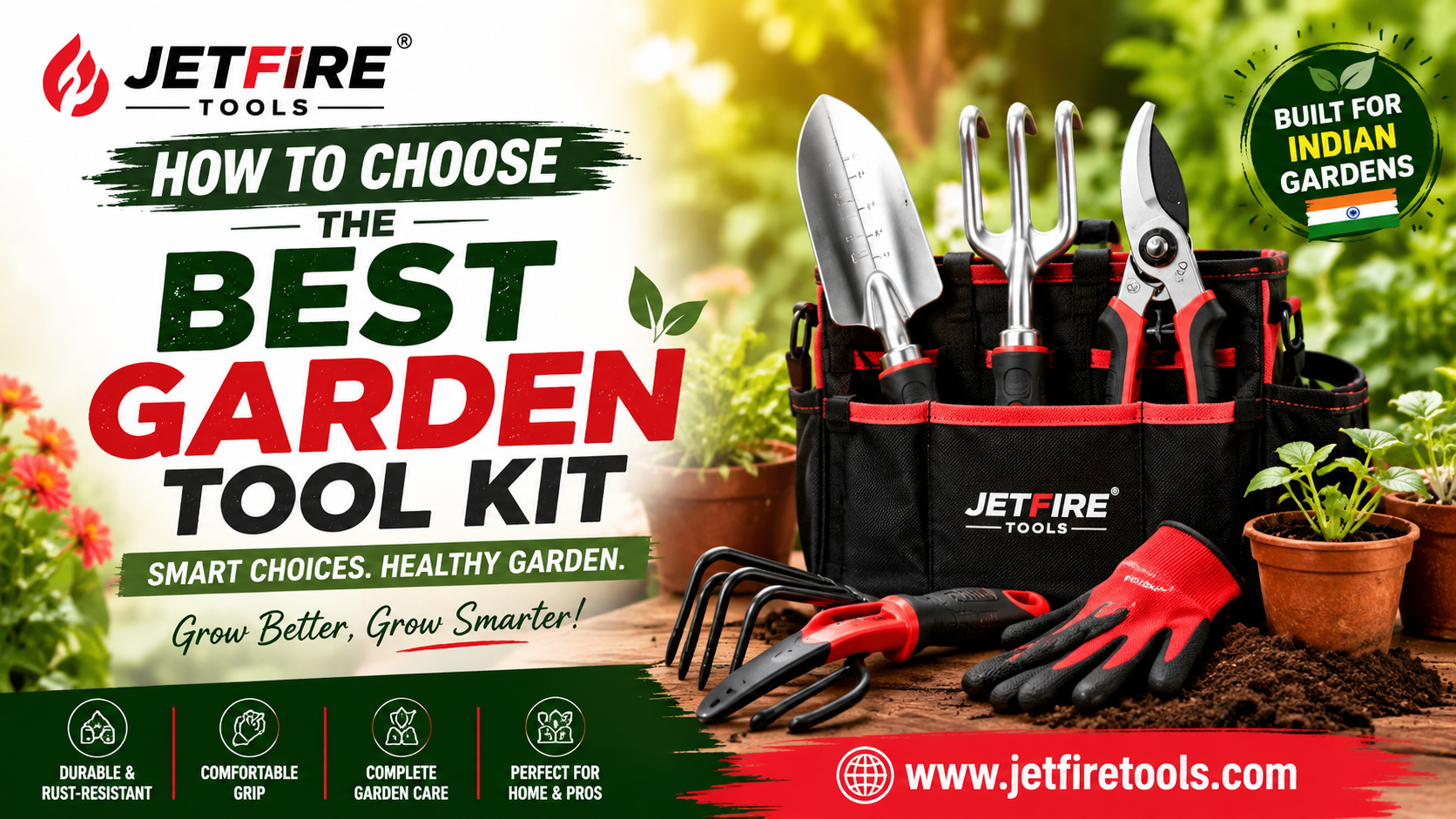
How to Choose the Best Garden Tool Kit: 100% Perfect Guide for Vibrant Yields
How to Choose the Best Garden Tool Kit: Complete Buying Guide for Indian Gardeners Ultimate Guide to…
How to Prevent Pest Attacks in Vegetable Garden: Proven & Powerful Organic Protection Tips
How to Prevent Pest Attacks in Vegetable Garden: Complete Guide for Healthy and Productive Harvests …
Ultimate Pruning Tools Guide – Types and Uses for Healthier Plants | Powerful Expert Gardening Tips
The Ultimate Pruning Tools Guide: Unleash a Thriving Garden with Epic Types and Uses! Pruning Tools …
Best Vertical Garden Setup India (Ultimate & Proven Guide) – Transform Small Spaces into Lush Green Walls
Best Vertical Garden Setup India – The Complete Practical Guide for Indian Homes Build the Best Vert…
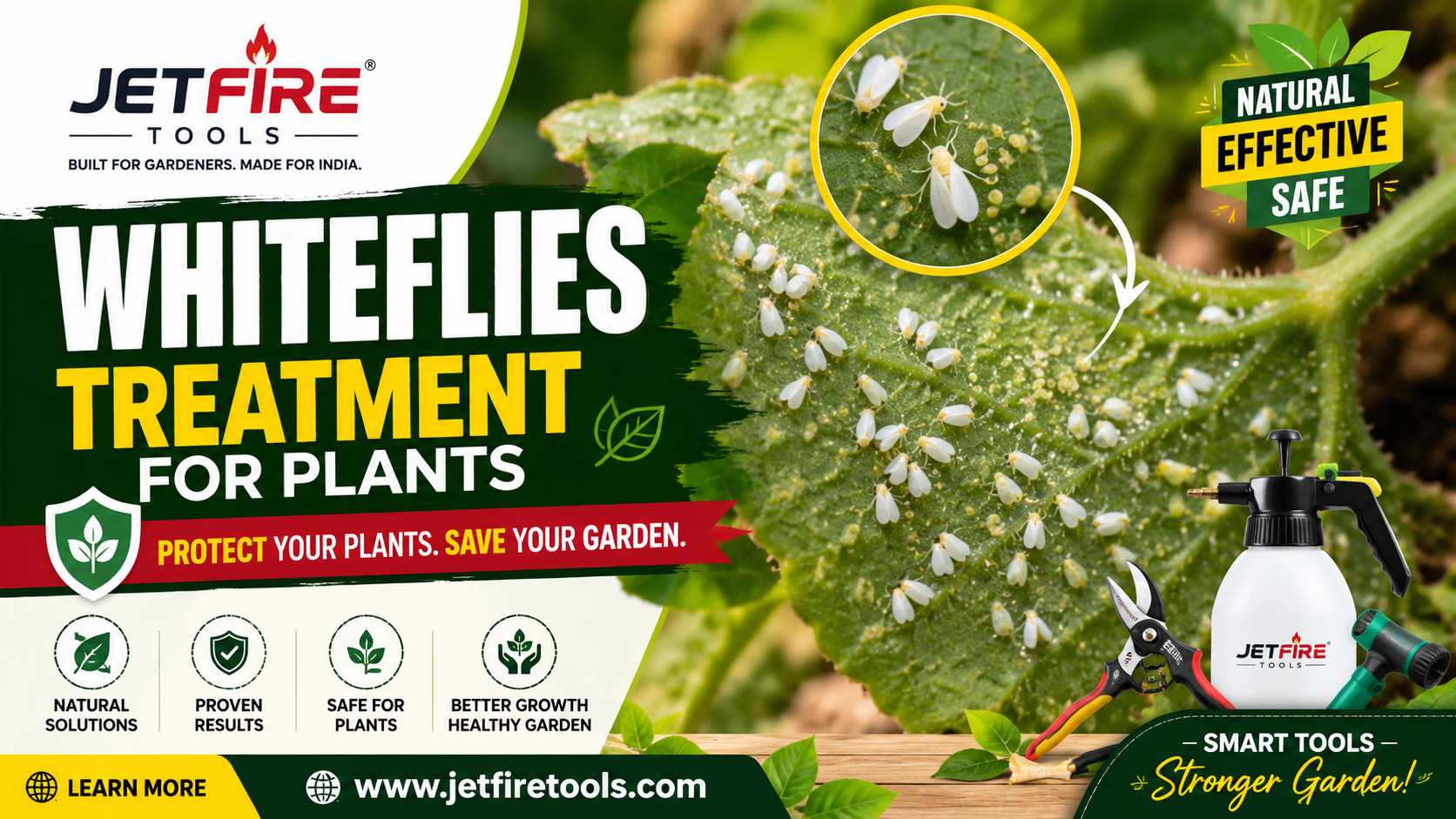
Whiteflies Treatment for Plants: 5 Proven Expert Solutions to Protect Your Garden Naturally
Whiteflies Treatment for Plants: Complete Expert Guide to Eliminate Whiteflies Naturally and Effecti…
Discover more from Leading Garden Tools Manufacturer & Supplier in India
Subscribe to get the latest posts sent to your email.
You must be logged in to post a comment.