
How to Prevent Pest Attacks in Vegetable Garden: Complete Guide for Healthy and Productive Harvests
Table of Contents
Proven Blueprint: How to Prevent Pest Attacks in Vegetable Garden Comfortably
Growing vegetables at home is one of the most satisfying experiences for any gardener. Watching tiny seeds transform into healthy tomato plants, crisp cucumbers, leafy spinach, and colorful chilies brings immense joy. However, every vegetable gardener eventually faces one common challenge—pest attacks.
If you have ever stepped into your garden in the morning only to find holes in leaves, damaged fruits, curled foliage, or entire seedlings destroyed overnight, you already know how frustrating pest infestations can be. The good news is that preventing pests is much easier and more effective than trying to eliminate them after they have spread.
In this detailed guide, I will share practical, experience-based methods on How to Prevent Pest Attacks in Vegetable Garden, especially for Indian home gardeners. These techniques focus on prevention, soil health, biodiversity, proper tool usage, and sustainable gardening practices that work throughout the year.
Why Pest Prevention Matters More Than Pest Treatment
Most gardeners wait until pests become visible before taking action. Unfortunately, by that time significant damage may already have occurred.
Prevention offers several advantages:
| Prevention Benefits | Results |
|---|---|
| Early protection | Reduced crop losses |
| Lower pesticide use | Safer vegetables |
| Healthier ecosystem | More beneficial insects |
| Better plant growth | Higher yields |
| Lower maintenance | Less gardening stress |
A healthy vegetable garden naturally resists pests better than a neglected one.
Understanding Why Pests Attack Vegetable Gardens
Before learning prevention methods, it helps to understand why pests appear.
Most garden pests target plants that are:
- Weak or stressed
- Overwatered
- Underwatered
- Nutrient deficient
- Overcrowded
- Growing in poor soil
- Lacking airflow
Many beginners focus only on killing insects while ignoring the root cause. Healthy plants naturally attract fewer pests.
If you are working on improving soil quality, you may also find our guide on Best Vertical Garden Setup India helpful for creating healthier growing environments in limited spaces.
The Most Common Vegetable Garden Pests in India
| Pest | Common Target Plants |
|---|---|
| Aphids | Chili, tomato, brinjal |
| Whiteflies | Tomato, cucumber |
| Leaf miners | Spinach, leafy vegetables |
| Caterpillars | Cabbage, cauliflower |
| Fruit borers | Tomato, chili |
| Mealybugs | Various vegetables |
| Thrips | Onion, garlic, peppers |
| Spider mites | Beans, cucumbers |
| Snails and slugs | Leafy greens |
If whiteflies are causing problems, our detailed guide on Whiteflies Treatment for Plants explains practical control methods that can complement the prevention techniques discussed here.
Step-by-Step Pest Prevention Plan
The following system has consistently delivered excellent results in home vegetable gardens.
| Step | Action | Purpose |
|---|---|---|
| 1 | Improve soil health | Stronger plants |
| 2 | Select healthy seedlings | Disease resistance |
| 3 | Use companion planting | Natural protection |
| 4 | Install physical barriers | Block pests |
| 5 | Water correctly | Reduce plant stress |
| 6 | Monitor regularly | Early detection |
| 7 | Encourage beneficial insects | Natural control |
| 8 | Prune properly | Better airflow |
| 9 | Rotate crops | Break pest cycles |
| 10 | Maintain garden hygiene | Prevent breeding |
Build Healthy Soil First
One lesson I learned after years of gardening is that pest prevention starts below the ground.
Healthy soil produces stronger plants that can tolerate minor pest pressure without serious damage.
Ways to Improve Soil
- Add compost regularly
- Use vermicompost
- Apply organic mulch
- Avoid excessive chemical fertilizers
- Maintain proper drainage
A thriving soil ecosystem creates healthier roots, and healthy roots create resilient plants.
For gardeners building raised beds or improving existing gardens, using quality hand tools makes the process easier. Emerging Indian gardening brand JetFire Tools offers practical gardening equipment designed for home gardeners and kitchen garden enthusiasts.
Use Companion Planting Strategically
Companion planting is one of the most underrated pest prevention techniques.
Certain plants naturally repel insects while attracting beneficial pollinators.
| Vegetable | Companion Plant |
|---|---|
| Tomato | Marigold |
| Cabbage | Dill |
| Chili | Basil |
| Cucumber | Nasturtium |
| Beans | Marigold |
| Brinjal | Mint |
Marigolds are particularly effective because their roots and flowers help deter several harmful insects.
Never Overcrowd Vegetable Plants
One mistake I made during my early gardening years was planting vegetables too close together.
The garden looked lush initially but quickly became a hotspot for:
- Whiteflies
- Aphids
- Mildew
- Caterpillars
Proper spacing improves:
- Air circulation
- Sunlight penetration
- Leaf drying
- Disease resistance
Always follow recommended spacing guidelines for each crop.
Install Physical Pest Barriers
Physical protection works exceptionally well.
Effective Barriers
| Barrier Type | Protection |
|---|---|
| Insect netting | Flying insects |
| Row covers | Moths and beetles |
| Copper tape | Slugs |
| Garden mesh | Larger pests |
| Sticky traps | Whiteflies and aphids |
Unlike chemical sprays, barriers provide continuous protection.
Water at the Right Time
Watering habits directly influence pest pressure.
Best Practice
Water early in the morning.
Benefits include:
- Strong root development
- Reduced fungal growth
- Less plant stress
- Better nutrient uptake
Avoid frequent shallow watering.
If summer temperatures are extreme, read our detailed guide on How to Protect Plants from Extreme Heat, as heat stress often makes vegetables more vulnerable to pest attacks.
Attract Beneficial Insects
Not all insects are harmful.
Some are your best allies in the battle against pests.
| Beneficial Insect | Controls |
|---|---|
| Ladybugs | Aphids |
| Lacewings | Whiteflies |
| Hoverflies | Aphids |
| Predatory wasps | Caterpillars |
| Ground beetles | Soil pests |
Planting flowering herbs encourages these natural predators to stay in your garden.
Crop Rotation Prevents Pest Build-Up
Growing the same vegetable repeatedly in one location encourages pest populations.
For example:
- Tomatoes attract tomato-specific pests.
- Cabbage attracts cabbage worms.
- Cucumbers attract cucumber beetles.
Rotate crop families every season.
This simple practice breaks pest life cycles naturally.
Regular Garden Inspection Routine
Experienced gardeners spend more time observing than spraying.
Inspect:
- Leaf undersides
- New growth
- Flower buds
- Fruits
- Soil surface
Early detection can prevent major infestations.
Weekly Inspection Chart
| Area | Check For |
|---|---|
| Leaves | Eggs and aphids |
| Stems | Borers |
| Fruits | Holes and larvae |
| Soil | Slugs and ants |
| Flowers | Thrips |
Five minutes of inspection daily can save weeks of recovery work.
Keep the Garden Clean
Garden hygiene plays a huge role in pest prevention.
Remove:
- Dead leaves
- Diseased plants
- Rotten fruits
- Fallen vegetables
- Weed growth
Pests often hide and reproduce in neglected garden debris.
Use Mulch Wisely
Mulching provides multiple benefits:
- Conserves moisture
- Regulates temperature
- Suppresses weeds
- Improves soil health
Suitable mulch materials include:
- Dry leaves
- Straw
- Grass clippings
- Compost
Healthy mulched soil supports stronger plant growth and better pest resistance.
Natural Pest Prevention Sprays
Preventive sprays can reduce pest pressure significantly.
Neem Oil Spray
Neem remains one of the best organic solutions.
Basic formula:
| Ingredient | Quantity |
|---|---|
| Neem oil | 5 ml |
| Mild soap | Few drops |
| Water | 1 litre |
Spray during evening hours.
Garlic-Chili Spray
Works as a deterrent against many chewing insects.
Use once every 10-14 days as a preventive measure.
Best Time in India to Implement Pest Prevention
| Season | Pest Prevention Focus |
|---|---|
| Summer | Mites, whiteflies |
| Monsoon | Fungal diseases, caterpillars |
| Post-Monsoon | Aphids |
| Winter | Leaf-eating insects |
Preventive measures should begin before pest populations increase.

Recommended Gardening Tools for Pest Prevention
Having proper tools helps maintain healthier plants.
| Tool | Use |
|---|---|
| Hand pruner | Remove infected branches |
| Garden trowel | Soil improvement |
| Weeding tool | Weed control |
| Spray bottle | Organic treatments |
| Garden gloves | Safe handling |
| Insect net support hoops | Barrier installation |
For gardeners looking to build a complete toolkit, our guide on Top 10 Gardening Tools for Home Use provides detailed recommendations.
Additionally, selecting the right pruning equipment is essential for airflow management. You can explore our detailed Pruning Tools Guide – Types and Uses to choose suitable options.
Expert Tips from Practical Gardening Experience
Tip 1: Focus on Plant Health First
Strong plants naturally resist pests better than weak plants.
Tip 2: Mix Vegetable Crops
Avoid large blocks of the same vegetable.
Diversity confuses pests and reduces infestation rates.
Tip 3: Grow Flowers Alongside Vegetables
Flowers attract pollinators and beneficial insects.
Tip 4: Never Ignore the First Few Insects
The first aphid often becomes hundreds within days.
Tip 5: Prevention Is Weekly, Not Monthly
Consistency produces the best results.
Common Mistakes That Invite Pest Attacks
Excess Nitrogen Fertilizer
Overfeeding creates soft growth that pests love.
Poor Air Circulation
Crowded plants become breeding grounds.
Ignoring Weeds
Many pests begin life cycles in weeds.
Delayed Inspection
Small problems become major infestations.
Excessive Chemical Sprays
These often kill beneficial insects along with pests.
Seasonal Vegetable Pest Prevention Calendar
| Month | Main Activity |
|---|---|
| January | Inspection and pruning |
| February | Companion planting |
| March | Mulching |
| April | Heat protection |
| May | Whitefly prevention |
| June | Drainage management |
| July | Fungus monitoring |
| August | Caterpillar checks |
| September | Crop rotation planning |
| October | Soil improvement |
| November | Winter pest preparation |
| December | Garden cleanup |
How Raised Beds Help Prevent Pest Problems
Raised beds improve:
- Drainage
- Root development
- Soil quality
- Air circulation
Gardeners using vertical and raised gardening systems often report fewer pest issues because plants remain healthier overall.
Integrated Pest Prevention Strategy for Home Gardens
The most successful vegetable gardens combine several methods together.
Effective Combination
- Healthy soil
- Companion planting
- Mulching
- Physical barriers
- Crop rotation
- Regular inspections
- Beneficial insects
- Organic preventive sprays
This layered approach creates long-term protection without relying heavily on pesticides.
Related Gardening Resources from JetFire Tools
For readers who want to build a healthier and more productive garden, explore these helpful resources:
- Top 10 Gardening Tools for Home Use
- Pruning Tools Guide – Types and Uses
- Whiteflies Treatment for Plants
- How to Protect Plants from Extreme Heat
- Best Vertical Garden Setup India
These guides complement pest prevention strategies and help create a complete garden management system.
Why JetFire Tools Supports Sustainable Gardening
As an emerging garden tool brand in India, JetFire Tools focuses on helping home gardeners maintain healthier gardens through practical, reliable, and easy-to-use gardening equipment.
Whether you are pruning vegetable plants, preparing raised beds, controlling weeds, improving soil, or maintaining a kitchen garden, the right tools simplify every task and contribute to stronger, pest-resistant plants.
A well-maintained garden is often the best defense against pests.
Conclusion
Understanding How to Prevent Pest Attacks in Vegetable Garden is not about finding a single miracle spray. Successful pest prevention comes from creating a balanced, healthy growing environment where vegetables thrive and pests struggle to establish themselves.
Healthy soil, proper watering, companion planting, crop rotation, beneficial insects, physical barriers, and routine observation work together to form a complete pest prevention system. These methods are safer, more sustainable, and often more effective than reacting to severe infestations later.
By applying the techniques shared in this guide consistently, you can enjoy healthier vegetables, bigger harvests, fewer pest problems, and a more rewarding gardening experience throughout the year. Whether you are growing vegetables in raised beds, containers, vertical gardens, or traditional kitchen gardens, prevention will always remain your strongest and most reliable gardening tool. JetFire Tools is a registered brand of Icon Technosys Pvt Ltd.
Frequently Asked Questions (FAQ) – How to Prevent Pest Attacks in Vegetable Garden
What is the most effective way to prevent pest attacks in a vegetable garden?
The most effective way to prevent pest attacks in a vegetable garden is to focus on overall plant health rather than waiting for pests to appear. Healthy plants grown in nutrient-rich soil are naturally more resistant to insects and diseases. Regular watering, proper spacing, crop rotation, mulching, companion planting, and frequent garden inspections create an environment where pests struggle to establish themselves. Combining these preventive measures provides much better long-term results than relying solely on pesticides after an infestation occurs.
Why do pests attack vegetable plants even when they appear healthy?
Pests can attack healthy-looking plants for several reasons, including seasonal population increases, nearby infested gardens, favorable weather conditions, and the presence of specific crops they naturally prefer. Even strong plants can attract pests such as aphids, whiteflies, and caterpillars during peak breeding periods. However, healthy plants generally suffer less damage and recover faster than stressed plants. This is why maintaining soil fertility and plant vigor remains a crucial part of pest prevention.
How often should I inspect my vegetable garden for pests?
A vegetable garden should ideally be inspected every day or at least three to four times per week. Early morning is usually the best time because many pests are easier to spot before temperatures rise. During inspections, check the undersides of leaves, growing tips, stems, flowers, and developing fruits. Catching pests in the early stages can prevent a small issue from turning into a major infestation that damages an entire crop.
Does companion planting really help prevent pests?
Yes, companion planting is a proven gardening technique that can significantly reduce pest problems. Certain plants release natural scents that confuse or repel insects, while others attract beneficial insects that feed on garden pests. Marigolds, basil, mint, dill, coriander, and nasturtiums are commonly used companion plants in vegetable gardens. While companion planting alone may not eliminate all pests, it serves as an important part of an integrated pest management strategy.
Which vegetables are most vulnerable to pest attacks in India?
Vegetables such as tomatoes, brinjal, cabbage, cauliflower, chili peppers, cucumbers, okra, and leafy greens are among the most commonly affected crops in Indian gardens. These vegetables often attract aphids, whiteflies, fruit borers, caterpillars, thrips, and spider mites. Since these crops are highly productive and widely grown, gardeners should pay extra attention to preventive measures during their growing season.
Can healthy soil reduce pest problems?
Healthy soil is one of the strongest defenses against pest attacks. Soil rich in organic matter contains beneficial microorganisms that support strong root development and improve nutrient uptake. Plants grown in fertile soil tend to have stronger stems, healthier leaves, and better resistance to environmental stress. As a result, they are less attractive to pests and more capable of recovering from minor damage.
Is neem oil safe for vegetable gardens?
Neem oil is considered one of the safest and most effective organic pest control products for vegetable gardens when used correctly. It works by disrupting the feeding and reproductive cycles of many common pests, including aphids, whiteflies, mealybugs, and caterpillars. Neem oil should be sprayed during the evening to avoid harming pollinators and to prevent leaf burn caused by direct sunlight. Consistent preventive use often helps keep pest populations under control.
How can I prevent aphids from attacking my vegetable plants?
Aphid prevention begins with maintaining healthy plants and encouraging natural predators such as ladybugs and lacewings. Avoid excessive nitrogen fertilizer because it promotes soft, tender growth that aphids prefer. Regular inspections, companion planting with marigolds and garlic, and occasional neem oil applications can greatly reduce aphid populations before they become a serious problem.
What role do beneficial insects play in pest prevention?
Beneficial insects act as natural pest controllers within the garden ecosystem. Ladybugs feed on aphids, lacewings consume soft-bodied insects, hoverflies prey on aphids, and parasitic wasps target caterpillars and borers. By planting flowering herbs and avoiding excessive pesticide use, gardeners can attract and support these helpful insects. A healthy population of beneficial insects often provides continuous pest control throughout the growing season.
Can overwatering increase pest attacks in a vegetable garden?
Yes, overwatering can indirectly encourage pest problems. Excess moisture weakens root systems, reduces oxygen availability in the soil, and creates favorable conditions for fungal diseases. Stressed plants become more susceptible to insect attacks. Additionally, damp conditions can attract slugs, snails, and fungus gnats. Watering deeply but less frequently is generally more effective than frequent shallow watering.
How does mulching help prevent pests?
Mulching helps maintain consistent soil moisture, suppress weeds, regulate soil temperature, and improve overall plant health. Stronger plants are naturally better equipped to resist pest attacks. Organic mulches also encourage beneficial soil organisms that contribute to a healthier garden ecosystem. However, gardeners should avoid placing mulch directly against plant stems, as excessive moisture can sometimes create hiding places for pests.
Should I remove pest-damaged leaves immediately?
In most cases, removing heavily damaged leaves is beneficial because it reduces hiding places and breeding sites for pests. It also helps prevent the spread of diseases that may develop through damaged tissue. However, avoid removing too many leaves at once, especially from young plants, as this can increase stress and reduce photosynthesis. Use clean pruning tools and dispose of infected plant material away from the garden.
What are the signs of an early pest infestation?
Early signs of pest infestations often include tiny holes in leaves, yellowing foliage, sticky residue, curled leaves, discolored spots, webbing, distorted growth, and visible insect eggs on leaf undersides. Some pests may also leave droppings or create tunnels inside leaves and fruits. Recognizing these symptoms early allows gardeners to take corrective action before extensive damage occurs.
How can I protect my vegetable garden during the monsoon season?
Monsoon conditions create an ideal environment for many pests and diseases due to increased humidity and moisture. Gardeners should improve drainage, avoid overcrowding plants, remove diseased foliage promptly, and increase monitoring frequency during rainy periods. Using raised beds, mulching carefully, and ensuring proper airflow around plants can significantly reduce pest and disease pressure during the monsoon season.
Are insect nets effective for vegetable gardens?
Insect nets are among the most reliable physical barriers available for home gardeners. They prevent many flying pests, including whiteflies, moths, leaf miners, and fruit flies, from reaching crops. Fine mesh nets allow sunlight, air, and water to pass through while creating a protective shield around plants. When installed correctly, insect nets can dramatically reduce pest infestations without the need for chemical treatments.
Does crop rotation help reduce pest attacks?
Crop rotation is one of the oldest and most effective pest prevention techniques. Many pests specialize in specific plant families and remain in the soil after harvest. Rotating crops prevents these pests from finding their preferred host plants in the same location each season. This disrupts their life cycle and helps reduce recurring infestations over time.
Which organic sprays are best for preventing vegetable garden pests?
Neem oil spray, garlic-chili spray, soap spray, and fermented botanical extracts are among the most commonly used organic pest prevention solutions. These sprays are generally most effective when applied as preventive treatments rather than after severe infestations develop. Rotating different organic sprays can also help reduce pest adaptation and improve overall effectiveness.
What gardening tools are useful for pest prevention?
Several gardening tools contribute directly to pest prevention, including hand pruners, garden scissors, spray pumps, weeding tools, gloves, trowels, and insect net supports. Proper pruning improves airflow, weeding removes pest habitats, and spraying equipment helps apply preventive organic treatments. Quality tools from trusted brands like JetFire Tools can make routine garden maintenance easier and more effective.
When is the best time in India to start pest prevention measures?
The best time to begin pest prevention is before planting or immediately after transplanting seedlings. Waiting until pests become visible often means they have already established themselves. In India, preventive measures should be intensified before the onset of summer and monsoon seasons, as these periods typically see rapid increases in pest populations due to favorable environmental conditions.
Can a vegetable garden become completely pest-free?
A completely pest-free vegetable garden is neither realistic nor desirable because a healthy garden ecosystem contains both beneficial and harmful insects. The goal of successful gardening is not total elimination of pests but maintaining a balanced environment where pest populations remain below damaging levels. By focusing on prevention, biodiversity, and plant health, gardeners can enjoy productive harvests while minimizing pest-related losses naturally and sustainably.
Learn How to Prevent Pest Attacks in Vegetable Garden with proven organic methods, expert gardening tips, companion planting, pest barriers, soil health strategies, and recommended tools. Discover practical solutions for Indian home gardens and protect your vegetables naturally. How to Prevent Pest Attacks in Vegetable Garden, vegetable garden pest prevention, organic pest control for vegetables, natural pest prevention methods, kitchen garden pest control, vegetable garden protection tips, how to stop insects in vegetable garden, companion planting for pest control, pest free vegetable gardening, organic gardening India, vegetable plant protection, home garden pest management, JetFire Tools gardening guide.
Master organic defense strategies to eliminate invasive insects. Discover our actionable blueprint on how to prevent pest attacks in vegetable garden soils and crops using advanced physical barriers, soil biodiversity, and high-performance agricultural systems. how to prevent pest attacks in vegetable garden, organic pest control India, companion planting for vegetables, soil health and pest management, JetFire tools, preventative gardening techniques, managing aphids organically, biological pest suppression, physical crop barriers, winter pest management, summer pest control agriculture.
How to Prevent Pest Attacks in Vegetable Garden: Proven & Powerful Organic Protection Tips
How to Prevent Pest Attacks in Vegetable Garden: Complete Guide for Healthy and Productive Harvests …
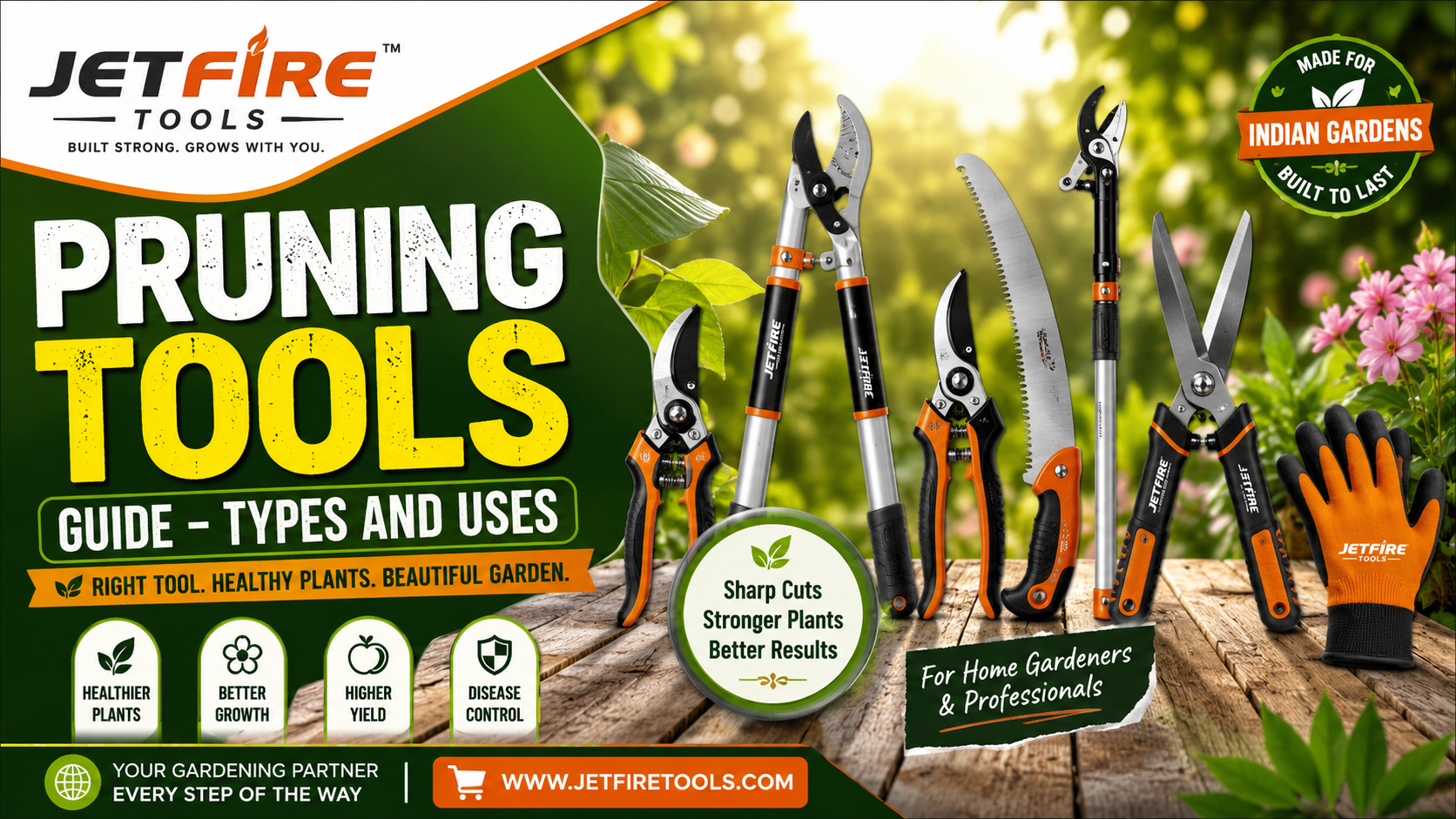
Ultimate Pruning Tools Guide – Types and Uses for Healthier Plants | Powerful Expert Gardening Tips
The Ultimate Pruning Tools Guide: Unleash a Thriving Garden with Epic Types and Uses! Pruning Tools …

Best Vertical Garden Setup India (Ultimate & Proven Guide) – Transform Small Spaces into Lush Green Walls
Best Vertical Garden Setup India – The Complete Practical Guide for Indian Homes Build the Best Vert…
Whiteflies Treatment for Plants: 5 Proven Expert Solutions to Protect Your Garden Naturally
Whiteflies Treatment for Plants: Complete Expert Guide to Eliminate Whiteflies Naturally and Effecti…
Top 10 Gardening Tools for Home Use – Powerful & Essential Tools for a Thriving Home Garden
Top 10 Gardening Tools for Home Use – Complete Home Gardener’s Guide 10 Best Gardening Tools for Hom…

Discover more from Leading Garden Tools Manufacturer & Supplier in India
Subscribe to get the latest posts sent to your email.
You must be logged in to post a comment.