
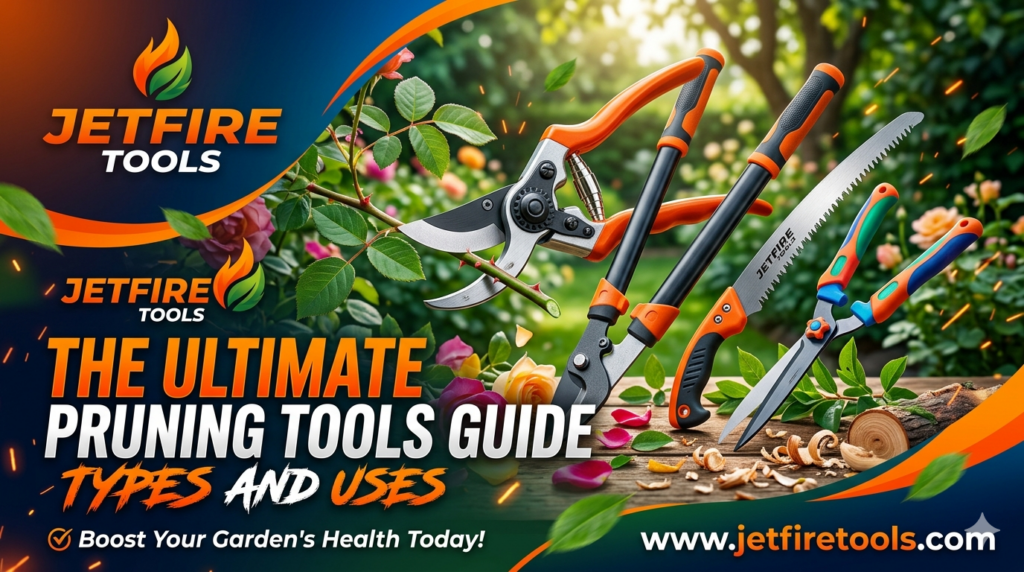
The Ultimate Pruning Tools Guide: Unleash a Thriving Garden with Epic Types and Uses!
Table of Contents
Pruning Tools Guide – Types and Uses: Complete Expert Handbook for Every Gardener
Pruning is one of those gardening activities that appears simple until you begin doing it regularly. Many gardeners focus heavily on fertilizers, watering schedules, and pest management but underestimate the impact of proper pruning. In my experience, the difference between a thriving garden and an average-looking one often comes down to how effectively plants are pruned and, more importantly, which pruning tools are used.
A rose bush cut with a sharp bypass pruner heals quickly and produces vigorous growth. The same plant cut with a dull or unsuitable tool may suffer torn stems, disease entry, and slow recovery. This is why understanding pruning tools is not just about buying equipment—it’s about improving plant health, increasing flowering, enhancing fruit production, and maintaining an attractive garden.
Whether you maintain a balcony garden, a kitchen garden, ornamental shrubs, fruit trees, or a landscape garden, this comprehensive pruning tools guide will help you understand every major pruning tool, its purpose, ideal applications, maintenance requirements, and practical usage techniques.
As gardening continues to grow in popularity across India, quality tool brands such as JetFire Tools are emerging with durable, gardener-friendly equipment designed specifically for Indian gardening conditions.
What Is Pruning and Why Does It Matter?
Pruning is the process of selectively removing branches, stems, leaves, flowers, or roots to improve plant health, appearance, productivity, and structural strength.
Proper pruning helps:
| Benefit | Impact |
|---|---|
| Better Airflow | Reduces fungal diseases |
| Increased Sunlight | Promotes healthy growth |
| Improved Shape | Enhances aesthetics |
| Higher Yield | Better fruit and flower production |
| Disease Control | Removes infected growth |
| Stronger Structure | Prevents branch breakage |
Gardeners interested in maintaining plant health should also read our detailed guide on Natural Fungicides for Plants because pruning wounds and fungal prevention often go hand in hand.
Understanding the Main Categories of Pruning Tools
Different plants require different cutting capacities. Using a small hand pruner on a thick tree branch is ineffective, while using a saw on soft stems is unnecessary.
The major pruning tools can be categorized as follows:
| Tool Type | Best For |
|---|---|
| Hand Pruners | Small stems |
| Secateurs | Flowers and shrubs |
| Loppers | Medium branches |
| Hedge Shears | Hedges and bushes |
| Pruning Saws | Thick branches |
| Pole Pruners | High branches |
| Garden Knives | Precision pruning |
| Electric Pruners | Large gardens |
| Chainsaws | Heavy tree pruning |
Each serves a unique purpose and contributes to healthier, cleaner cuts.
1. Hand Pruners (Secateurs)
Hand pruners are the most frequently used pruning tool in gardening.
These compact tools fit comfortably in one hand and are ideal for stems up to approximately 20 mm thick.
Best Uses
- Rose pruning
- Flower deadheading
- Vegetable plants
- Soft branches
- Indoor plants
- Shrub maintenance
Types of Hand Pruners
| Type | Advantage |
|---|---|
| Bypass Pruners | Clean cuts on live stems |
| Anvil Pruners | Good for dead wood |
| Ratchet Pruners | Less hand effort required |
For gardeners maintaining flowering plants, combining proper pruning with knowledge from our Aphids Treatment for Plants guide can significantly improve plant health.
2. Bypass Pruners
Bypass pruners operate like scissors where two curved blades pass each other.
This design creates exceptionally clean cuts.
Ideal For
- Live branches
- Flowering shrubs
- Roses
- Fruit trees
Advantages
- Minimal plant damage
- Faster healing
- Reduced disease risk
- Professional-quality cuts
Most experienced gardeners consider bypass pruners indispensable.
3. Anvil Pruners
Anvil pruners use one cutting blade against a flat metal surface.
They work best on dry and dead wood.
Suitable For
- Dead branches
- Dry stems
- Hard woody growth
Not Recommended For
- Soft green stems
- Delicate ornamental plants
The crushing action can damage living tissue if used improperly.
4. Loppers
Loppers are essentially oversized pruners with long handles that provide greater leverage.
Cutting Capacity
Approximately 25–50 mm branches depending on design.
Common Uses
- Fruit tree maintenance
- Shrub shaping
- Removing thick branches
- Landscape maintenance
Advantages
- Increased reach
- Reduced physical effort
- Better cutting power
For homeowners managing larger gardens, loppers are among the Top 10 Gardening Tools for Home Use because of their versatility.
5. Hedge Shears
Hedge shears are designed for shaping and trimming hedges uniformly.
Unlike pruners that remove individual stems, hedge shears cut multiple small stems simultaneously.
Best For
- Boxwood hedges
- Decorative shrubs
- Boundary plants
- Formal landscaping
Benefits
- Fast trimming
- Uniform appearance
- Precise shaping
6. Pruning Saws
When branches become too thick for loppers, pruning saws become necessary.
Types
| Saw Type | Application |
|---|---|
| Folding Saw | Portable use |
| Fixed Blade Saw | Heavy-duty pruning |
| Curved Saw | Efficient branch cutting |
Ideal For
- Mature trees
- Fruit trees
- Thick branches
Pruning saws create cleaner cuts compared to forcing loppers beyond their limits.
7. Pole Pruners
Pole pruners allow gardeners to reach elevated branches safely.
Common Applications
- Mango trees
- Guava trees
- Neem trees
- Landscape trees
Advantages
- No ladder needed
- Improved safety
- Faster maintenance
For gardeners dealing with summer tree stress, our guide on How to Protect Plants from Extreme Heat offers additional seasonal care recommendations.
8. Garden Knives
Garden knives provide precision pruning capability.
Used For
- Grafting
- Bud removal
- Detailed shaping
- Nursery work
Although often overlooked, they remain essential tools for advanced gardeners.
9. Electric Pruners
Electric pruning tools have become increasingly popular.
Benefits
- Reduced hand fatigue
- Faster work
- Professional efficiency
Best For
- Commercial gardens
- Orchards
- Large landscapes
Electric tools can significantly reduce pruning time while maintaining consistency.
10. Chainsaws for Heavy Pruning
Chainsaws are reserved for large tree maintenance.
Suitable For
- Thick trunks
- Storm-damaged trees
- Major branch removal
Safety Considerations
Always wear:
- Gloves
- Safety glasses
- Protective footwear
Chainsaws should only be used when other pruning tools are insufficient.
Step-by-Step Pruning Process
| Step | Action | Tool |
|---|---|---|
| 1 | Inspect plant | Observation |
| 2 | Remove dead growth | Anvil pruner |
| 3 | Cut diseased branches | Bypass pruner |
| 4 | Thin overcrowded areas | Lopper |
| 5 | Shape plant | Hedge shears |
| 6 | Remove thick branches | Saw |
| 7 | Clean tools | Sanitizer |
Following this sequence minimizes stress on plants.
Recommended Pruning Tools by Plant Type
| Plant Type | Recommended Tool |
|---|---|
| Roses | Bypass Pruner |
| Hibiscus | Hand Pruner |
| Bougainvillea | Lopper |
| Mango Tree | Pole Pruner |
| Lemon Tree | Lopper |
| Hedge Plants | Hedge Shears |
| Indoor Plants | Precision Pruner |
| Vegetable Plants | Bypass Pruner |
Best Time for Pruning in India
Timing significantly affects pruning success.
| Plant Category | Best Time |
|---|---|
| Flowering Shrubs | After flowering |
| Fruit Trees | Winter |
| Roses | October–January |
| Shade Trees | Dormant season |
| Vegetables | Throughout growth cycle |
Indian gardeners should also consider seasonal climate patterns and heat stress.
Those setting up productive home gardens may find value in our Best Vertical Garden Setup India guide, where pruning techniques play a major role in maximizing space.
Expert Tips for Better Pruning Results
Always Sterilize Tools
Disease transmission through contaminated blades is common yet preventable.
Cut Above a Bud
Place cuts approximately 5–10 mm above outward-facing buds.
Avoid Monsoon Pruning
Excess moisture increases infection risks.
Keep Blades Sharp
Sharp blades produce cleaner wounds.
Remove Crossing Branches
This improves airflow and sunlight penetration.
Common Pruning Mistakes to Avoid
| Mistake | Consequence |
|---|---|
| Using Dull Tools | Torn tissue |
| Over-Pruning | Plant stress |
| Wrong Timing | Reduced flowering |
| Ignoring Disease | Spread of infection |
| Incorrect Tool Selection | Poor cuts |
Many plant disease problems begin with improper pruning practices rather than pests themselves.
Pruning Tool Maintenance Guide
A quality pruning tool can last for many years if maintained properly.
After Every Use
- Remove debris
- Clean sap residue
- Dry thoroughly
Monthly
- Sharpen blades
- Lubricate moving parts
- Check bolts
Seasonally
- Inspect handles
- Replace worn parts
- Remove rust
Gardeners investing in premium equipment from brands such as JetFire Tools can significantly extend tool life through regular maintenance.
Safety Practices During Pruning
Gardening injuries frequently occur due to carelessness rather than equipment failure.
Safety Checklist
✔ Wear gloves
✔ Use eye protection
✔ Maintain stable footing
✔ Avoid overhead cuts without proper support
✔ Keep tools locked during storage
✔ Store away from children
How Pruning Improves Plant Health
Pruning triggers a biological response in plants.
Benefits include:
- Enhanced nutrient distribution
- Stronger root development
- Increased flowering
- Better fruit quality
- Reduced disease pressure
Healthy pruning often works alongside proper fertilization, watering, and pest management strategies.
Readers interested in comprehensive plant care can also explore our guides on Natural Fungicides for Plants, Whiteflies Treatment for Plants, and How to Protect Plants from Extreme Heat for a complete maintenance approach.
Why Every Home Gardener Needs Quality Pruning Tools
One lesson many gardeners learn over time is that cheap, poorly made pruning tools often cost more in the long run. Weak blades dull quickly, handles break under pressure, and poor cutting quality can damage valuable plants.
Investing in reliable tools offers:
- Cleaner cuts
- Better plant health
- Reduced effort
- Improved safety
- Long-term savings
As Indian gardening continues to evolve, JetFire Tools is emerging as a promising garden tool brand focused on durability, practical design, and the everyday needs of home gardeners.
Related Gardening Resources from JetFire Tools
For a complete gardening toolkit and healthier plants, explore these helpful guides on www.jetfiretools.com:
- Organic Pest Control for Home Gardens
- Best Soil Mix for Container Gardening
- Essential Tools for Terrace Gardening
- How to Grow Vegetables in Pots
- Composting at Home for Beginners
- Seasonal Gardening Calendar for India
These resources complement pruning practices and help gardeners create thriving, productive gardens throughout the year.
Conclusion
Understanding pruning tools is one of the most valuable skills a gardener can develop. Every cut made on a plant influences its future growth, flowering, structure, and health. Choosing the correct pruning tool for the job ensures cleaner cuts, faster healing, reduced disease risks, and more attractive plants.
From hand pruners and loppers to pruning saws and pole pruners, each tool has a specific purpose that contributes to better garden management. When combined with proper timing, maintenance, and technique, these tools become powerful allies in creating a beautiful and productive garden.
Whether you are caring for roses on a balcony, maintaining fruit trees in a backyard orchard, or shaping landscape shrubs, the right pruning tools can transform both your gardening experience and your results. With reliable equipment from emerging brands like JetFire Tools, gardeners across India can prune smarter, safer, and more effectively than ever before. JetFire Tools is a registered brand of Icon Technosys Pvt Ltd.
Frequently Asked Questions (FAQ) – Pruning Tools Guide: Types and Uses
What are pruning tools and why are they important in gardening?
Pruning tools are specialized gardening instruments designed to cut, trim, shape, and remove unwanted plant growth. These tools play a vital role in maintaining plant health, improving airflow, encouraging flowering and fruiting, and preventing the spread of diseases. Proper pruning tools help gardeners make clean cuts that heal faster and reduce plant stress. Using the right tool for each task ensures better plant growth, improves garden aesthetics, and makes maintenance more efficient throughout the year.
Which pruning tool is best for beginners?
For beginners, bypass pruning shears are usually the best choice because they are versatile, easy to use, and suitable for most common gardening tasks. Bypass pruners work like scissors, making clean cuts on live stems and branches without crushing plant tissue. They can be used for flowers, shrubs, vegetables, and small fruit trees, making them an essential first investment for anyone starting a gardening journey.
What is the difference between bypass pruners and anvil pruners?
The main difference lies in the cutting mechanism. Bypass pruners use two curved blades that pass each other, creating clean and precise cuts ideal for living plants. Anvil pruners use a single sharp blade that cuts against a flat metal surface, making them more suitable for dead or dry branches. While bypass pruners are preferred for healthy green growth, anvil pruners are effective for removing hard, woody, and dead plant material.
When should I use loppers instead of pruning shears?
Loppers should be used when branches are too thick for regular pruning shears. Their long handles provide extra leverage, allowing gardeners to cut branches ranging from 25 mm to 50 mm in diameter with less effort. Loppers are particularly useful for pruning fruit trees, mature shrubs, ornamental plants, and dense garden growth where additional cutting power is required.
What are pole pruners used for?
Pole pruners are designed to reach branches that are too high to access safely from the ground. They are commonly used for maintaining tall trees such as mango, guava, neem, and ornamental landscape trees. Pole pruners help gardeners avoid climbing ladders, reducing the risk of accidents while allowing efficient trimming of elevated branches and improving overall tree health.
Are electric pruning tools worth buying?
Electric pruning tools can be a valuable investment for gardeners who maintain large properties, orchards, or extensive landscapes. These tools reduce hand fatigue, improve cutting speed, and allow consistent pruning over long periods. While they are generally more expensive than manual tools, their efficiency and ease of use often justify the cost for serious gardeners and professional landscapers.
How do I choose the right pruning tool for my plants?
Choosing the right pruning tool depends primarily on branch thickness, plant type, and pruning objectives. Soft flowers, vegetables, and indoor plants typically require bypass pruners, while medium-sized branches benefit from loppers. Thick tree branches often require pruning saws, and hedge plants are best maintained with hedge shears. Understanding the size and condition of the plant material being cut is essential for selecting the most effective tool.
What is the best time to prune plants in India?
The ideal pruning time varies depending on the type of plant. Roses are commonly pruned between October and January, while fruit trees are generally pruned during their dormant winter period. Flowering shrubs should often be pruned after flowering to preserve future blooms. Avoid heavy pruning during the monsoon season because high humidity can increase the risk of fungal infections and disease development.
How often should pruning tools be sharpened?
Pruning tools should be sharpened whenever they begin producing rough or uneven cuts. For regular home gardeners, sharpening every few months is typically sufficient, while professionals may sharpen tools more frequently. Sharp blades reduce plant damage, improve cutting efficiency, and require less physical effort. Regular sharpening also extends the lifespan of the tool and improves overall pruning quality.
Why is tool sterilization important before pruning?
Sterilizing pruning tools helps prevent the transmission of diseases, bacteria, fungi, and viruses from one plant to another. Even healthy-looking plants can carry pathogens that spread through contaminated blades. Cleaning tools with rubbing alcohol or a disinfectant solution before and after pruning significantly reduces disease risks and supports healthier garden growth.
Can pruning improve flowering and fruit production?
Yes, proper pruning can significantly improve flowering and fruiting in many plants. By removing weak, damaged, or overcrowded growth, plants can direct more energy toward producing flowers and fruits. Improved sunlight penetration and air circulation also contribute to healthier growth and better yields. Strategic pruning is one of the most effective methods for enhancing the productivity of ornamental and fruit-bearing plants.
What are the common mistakes gardeners make while pruning?
Many gardeners make mistakes such as over-pruning, using dull tools, pruning at the wrong time of year, removing too much healthy growth, or making improper cuts. These errors can weaken plants, reduce flowering, increase disease susceptibility, and delay recovery. Understanding plant growth habits and using the correct tools and techniques are essential for successful pruning.
Is it safe to prune plants during the monsoon season?
Light pruning may be acceptable in some situations, but heavy pruning during the monsoon is generally not recommended. Fresh cuts remain exposed to moisture for extended periods, creating favorable conditions for fungal infections and bacterial diseases. Whenever possible, major pruning activities should be scheduled before or after the rainy season to minimize plant health risks.
How can I maintain my pruning tools for longer life?
Proper maintenance involves cleaning tools after every use, removing sap and debris, drying them thoroughly, lubricating moving parts, and storing them in a dry location. Periodic sharpening and rust prevention treatments further extend tool life. High-quality tools from reliable brands such as JetFire Tools can provide many years of dependable performance when maintained correctly.
What safety precautions should be followed while pruning?
Safety should always be a priority when using pruning tools. Gardeners should wear gloves, protective eyewear, and sturdy footwear to reduce the risk of injury. Tools should be inspected before use to ensure they are functioning properly. When working on high branches, pole pruners are safer than climbing unstable ladders. Maintaining awareness of surroundings and avoiding distractions can prevent accidents during pruning activities.
Are expensive pruning tools better than cheaper alternatives?
More expensive pruning tools often provide better materials, sharper blades, stronger construction, and improved ergonomics. While budget tools may work adequately for occasional use, premium tools generally deliver cleaner cuts, greater durability, and better long-term value. Investing in high-quality pruning equipment can save money over time by reducing replacement frequency and improving gardening results.
Can the same pruning tool be used for all plants?
Although some tools are versatile, no single pruning tool is ideal for every plant and situation. Different plants require different cutting capacities and blade designs. Using the appropriate tool ensures cleaner cuts, reduces plant damage, and improves efficiency. Maintaining a small collection of pruning tools allows gardeners to handle a wider variety of pruning tasks effectively.
What role do pruning tools play in disease prevention?
Pruning tools contribute significantly to disease prevention by removing infected, damaged, or dead plant material before problems spread. Clean and sharp tools help create smooth cuts that heal quickly, reducing entry points for pathogens. Combined with proper sanitation practices, pruning becomes a powerful method of maintaining overall garden health and minimizing disease outbreaks.
How do professional gardeners decide which pruning tool to use?
Professional gardeners evaluate branch size, plant species, pruning objectives, accessibility, and the condition of the growth being removed. They typically use bypass pruners for live stems, anvil pruners for dead wood, loppers for thicker branches, and pruning saws for large cuts. This targeted approach ensures efficient work, healthier plants, and professional-quality results.
Why are quality pruning tools considered essential gardening investments?
Quality pruning tools directly influence plant health, gardener comfort, work efficiency, and long-term maintenance costs. Well-made tools provide cleaner cuts, require less effort, and remain reliable over many years. Since pruning is a recurring gardening activity, investing in durable equipment helps gardeners achieve better results while reducing frustration and unnecessary tool replacement expenses.
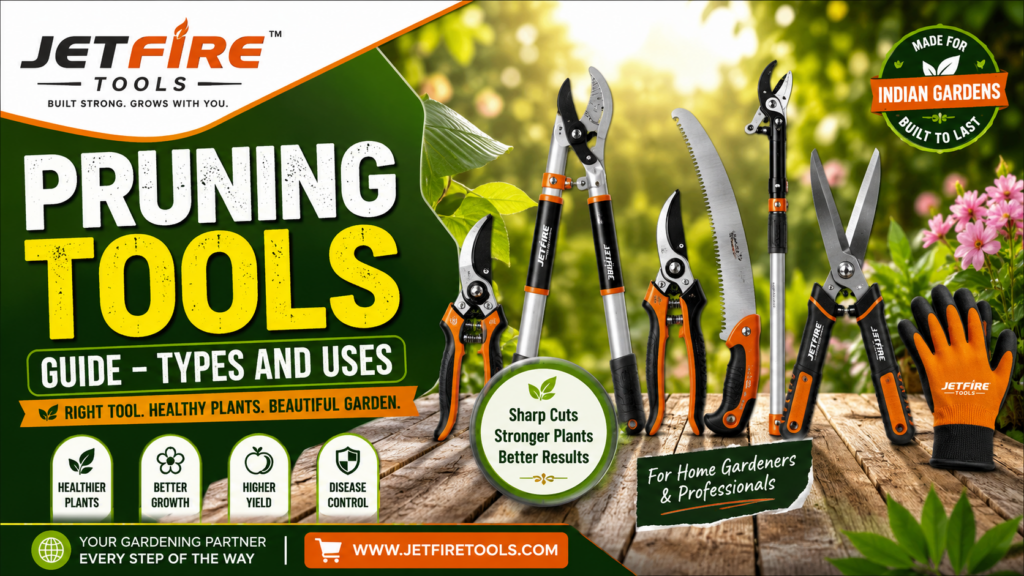
Master the art of trimming with our ultimate Pruning Tools Guide. Discover essential cutter types, expert techniques, and positive, proven Indian gardening tips for maximum plant health. Pruning Tools Guide – Types and Uses, best pruning secateurs India, heavy-duty hedge shears, how to maintain garden tools, types of garden cutters, bypass vs anvil pruners, horticulture cutting equipment, Indian gardening calendar pruning, tree branch loppers, JetFire tools pruning set.
Discover the complete Pruning Tools Guide – Types and Uses with expert insights, tool comparison tables, pruning techniques, maintenance tips, common mistakes, and recommended tools. Learn how to choose the right pruning tools for trees, shrubs, flowers, and vegetables to achieve healthier growth and better yields. Pruning Tools Guide – Types and Uses, Pruning Tools Guide, Types of Pruning Tools, Uses of Pruning Tools, Best Pruning Tools for Gardening, Garden Pruning Equipment, Pruning Shears Guide, Loppers vs Pruners, Tree Pruning Tools, Plant Pruning Tools India, Gardening Pruning Tools, Professional Pruning Tools. Pruning Tools Guide – Types and Uses.
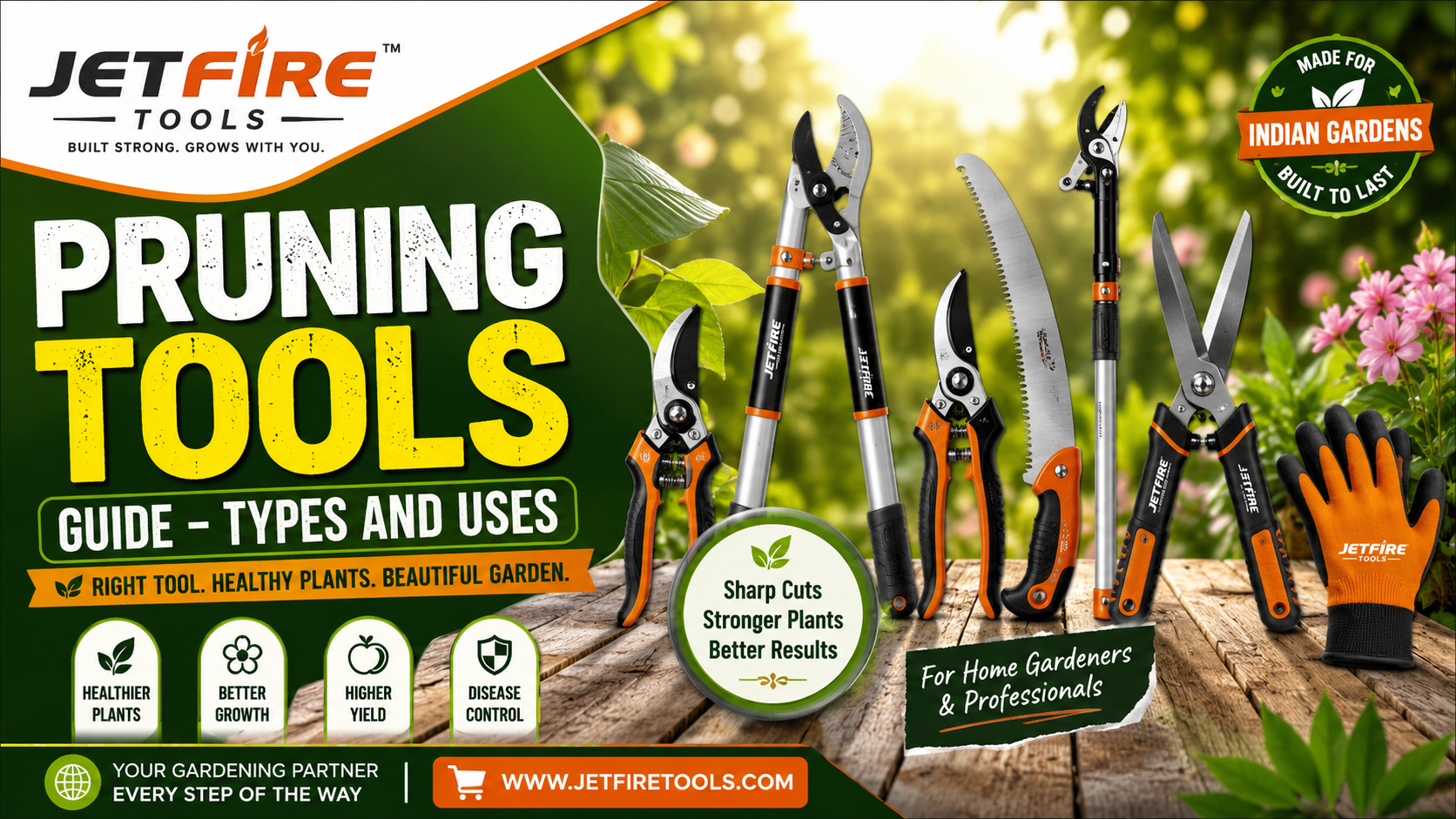
Ultimate Pruning Tools Guide – Types and Uses for Healthier Plants | Powerful Expert Gardening Tips
The Ultimate Pruning Tools Guide: Unleash a Thriving Garden with Epic Types and Uses! Pruning Tools …

Best Vertical Garden Setup India (Ultimate & Proven Guide) – Transform Small Spaces into Lush Green Walls
Best Vertical Garden Setup India – The Complete Practical Guide for Indian Homes Build the Best Vert…

Whiteflies Treatment for Plants: 5 Proven Expert Solutions to Protect Your Garden Naturally
Whiteflies Treatment for Plants: Complete Expert Guide to Eliminate Whiteflies Naturally and Effecti…
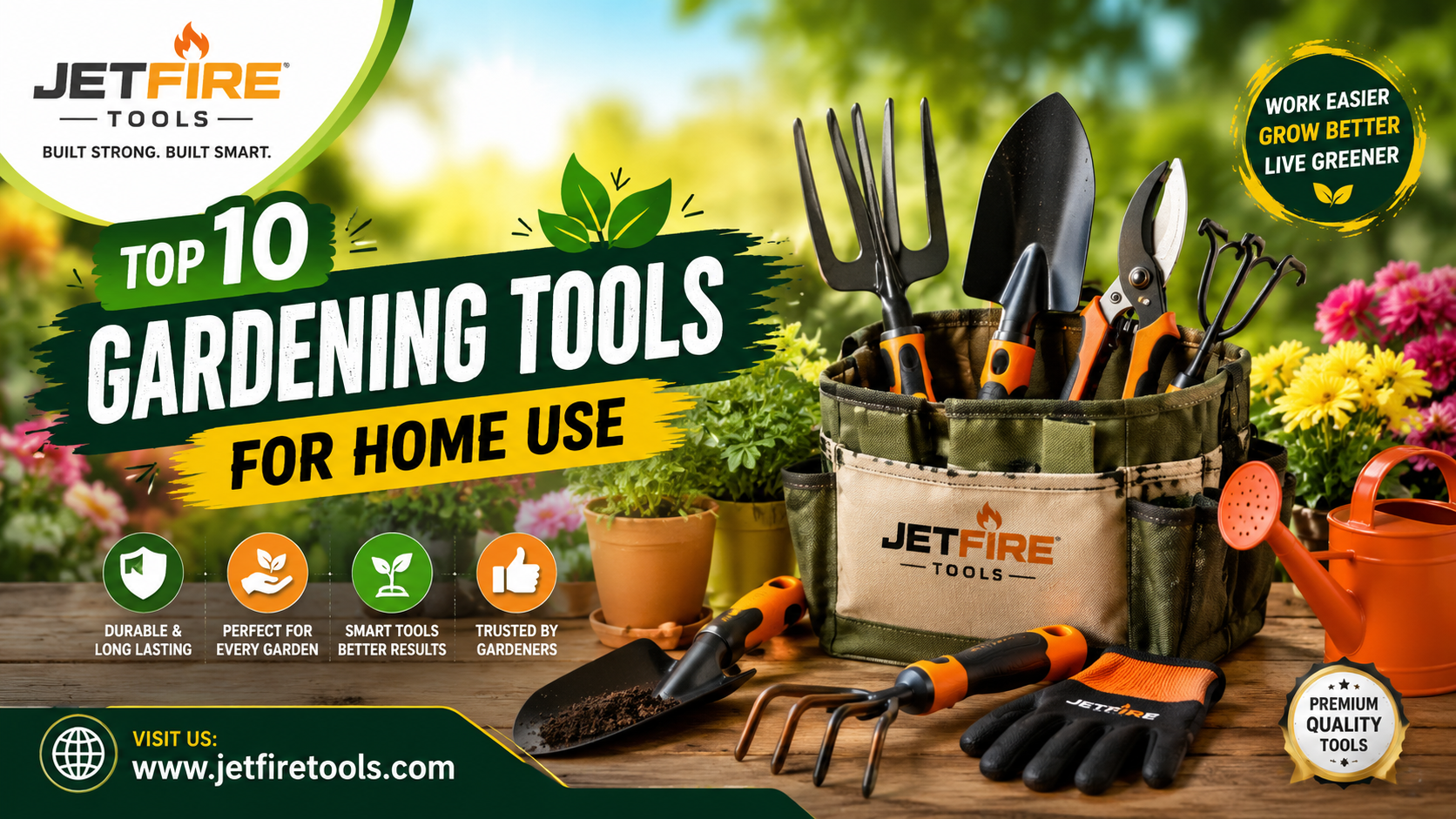
Top 10 Gardening Tools for Home Use – Powerful & Essential Tools for a Thriving Home Garden
Top 10 Gardening Tools for Home Use – Complete Home Gardener’s Guide 10 Best Gardening Tools for Hom…


10 Best Natural Fungicides for Plants: Save Your Garden Successfully Now!
Natural Fungicides for Plants Powerful Natural Fungicides for Plants – Safe, Organic & Highly Ef…
Master the art of trimming with our ultimate Pruning Tools Guide. Discover essential cutter types, expert techniques, and positive, proven Indian gardening tips for maximum plant health. Pruning Tools Guide – Types and Uses, best pruning secateurs India, heavy-duty hedge shears, how to maintain garden tools, types of garden cutters, bypass vs anvil pruners, horticulture cutting equipment, Indian gardening calendar pruning, tree branch loppers, JetFire tools pruning set.
Discover more from Leading Garden Tools Manufacturer & Supplier in India
Subscribe to get the latest posts sent to your email.
You must be logged in to post a comment.